Essential Skills for Effective Retreat Coordination
In today's world, where fast-paced living often leads to increased stress, slow tourism retreats present an opportunity for individuals to reconnect with themselves. Effective retreat coordination is essential to provide a calming experience. This article will explore the skills crucial for ensuring that these retreats run smoothly, focusing on minimizing travel stress and enhancing participant satisfaction.
Understanding the Role of a Retreat Coordinator
A retreat coordinator is responsible for managing all aspects of the retreat experience, from planning the itinerary to on-site management. This role is multifaceted and typically requires strong organizational skills, interpersonal abilities, and a good understanding of the participants’ needs.
"According to experts in the field, effective retreat coordination can significantly enhance the overall experience, leading to higher participant satisfaction levels."
Key Skills for Effective Retreat Coordination
- Organizational Skills: Successful coordinators often rely on strong organizational abilities to manage logistics, schedules, and participant needs. Research indicates that well-organized events can lead to an increased sense of satisfaction, with many users reporting a more enjoyable experience.
- Communication Skills: Clear communication is vital for retreat coordinators, as they need to convey information effectively to both participants and service providers. Studies show that transparent communication can reduce misunderstandings, thus minimizing travel stress.
- Adaptability: The ability to adapt to unforeseen changes is crucial in retreat coordination. Industry standards suggest that coordinators who can quickly pivot when issues arise help maintain a calm environment for participants.
Developing a Calm Itinerary
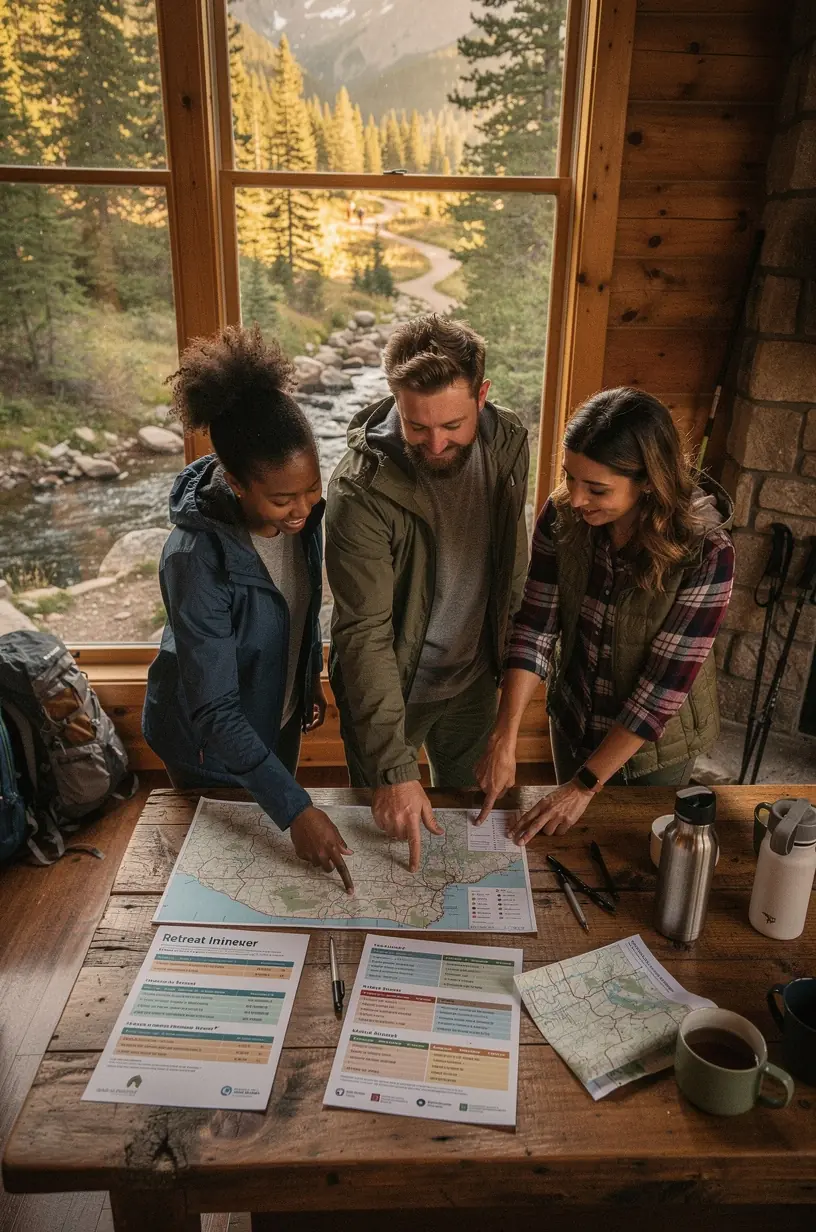
Creating a retreat itinerary that balances structured activities with periods of rest is essential. This approach works best when it includes a mix of guided experiences and free time, allowing participants the flexibility to recharge. Research indicates that itineraries designed with mindfulness in mind can lead to improved mental well-being.
Steps to Create a Balanced Itinerary
- Assess Participant Needs: Understanding the demographics and preferences of the participants can guide the planning process. Surveys or pre-retreat questionnaires can provide valuable insights.
- Incorporate Mindful Activities: Activities such as yoga, meditation, or nature walks can promote relaxation and well-being. Many experts recommend including at least one mindfulness activity in each day's schedule.
- Allow for Flexibility: While having a structured plan is important, it’s equally vital to allow time for spontaneous moments. This adaptability can enhance the overall retreat experience.
Acknowledging Limitations and Setting Expectations
While effective retreat coordination can significantly enhance participant experiences, it is important to acknowledge the necessary time and effort involved. Coordinators should anticipate that creating a successful retreat typically takes several weeks of planning and preparation.
Moreover, it’s essential to communicate to participants what they can expect. For instance, informing them that not all activities may appeal to everyone can help set realistic expectations and reduce potential dissatisfaction.
Conclusion
Effective retreat coordination involves a blend of several skills, including organization, communication, and adaptability. By prioritizing a calm itinerary that balances structured activities with free time, coordinators can create a nourishing environment that fosters relaxation and personal growth. Remember, the goal is to provide a stress-minimizing experience for all participants. By understanding the principles behind effective retreat planning, coordinators can lead retreats that are not only enjoyable but also transformative.
Discover More