How to Create Balanced Itineraries for Relaxation
In today's fast-paced world, planning a trip that emphasizes relaxation and minimal travel stress is essential for well-being. This article will guide you through the process of creating balanced itineraries that prioritize calm and restorative experiences, ensuring a tranquil escape from daily life.
Understanding the Principles of Slow Tourism
Slow tourism is a concept that encourages travelers to immerse themselves in their surroundings at a leisurely pace. According to research, this approach can lead to greater satisfaction and a deeper connection to the place being visited. Experts recommend prioritizing quality over quantity when selecting destinations and activities, which can often enhance relaxation.
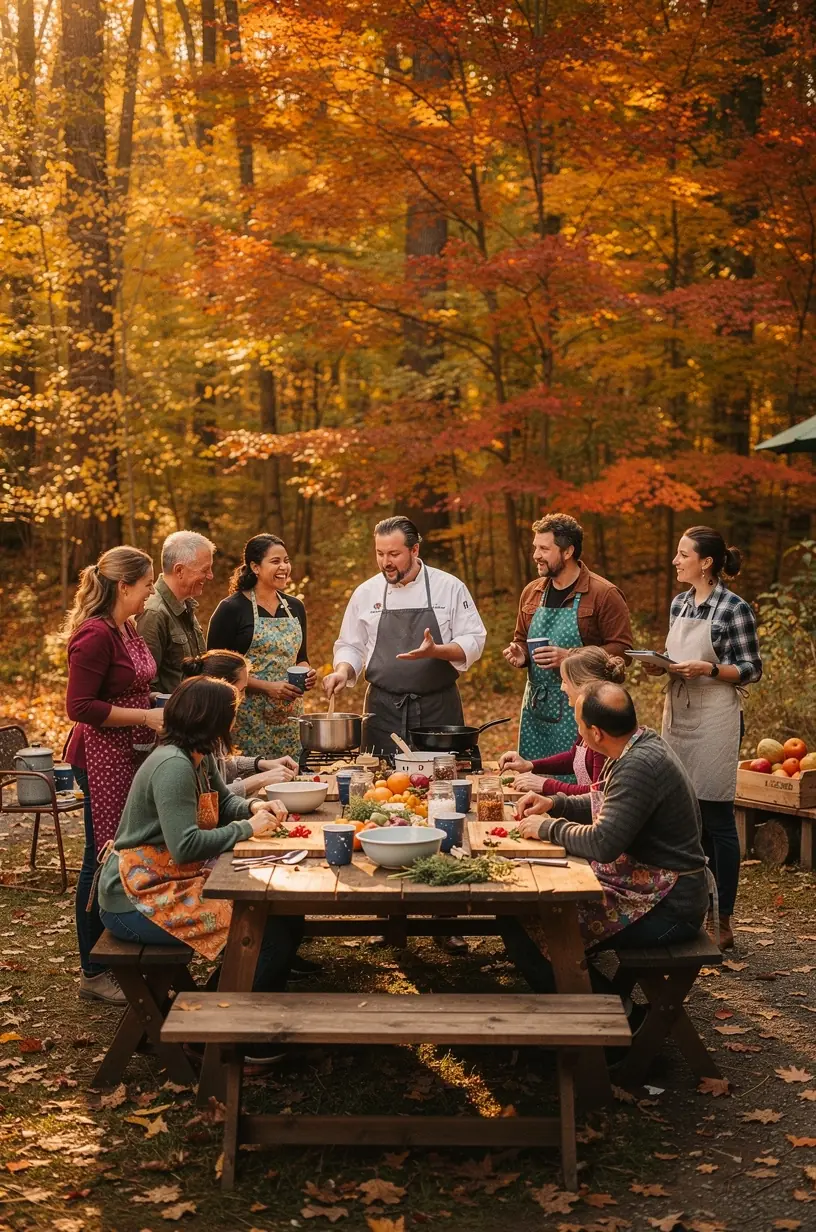
"Traveling slow allows for authentic experiences and a chance to reconnect with oneself and nature." - Travel Wellness Expert
Steps to Create Balanced Itineraries
Creating a well-structured itinerary that fosters relaxation typically involves several key steps:
- Identify Your Priorities: Determine what relaxation means for you. Is it spending time in nature, indulging in spa treatments, or exploring local culture? Knowing your preferences can guide your choices.
- Limit Daily Activities: Research shows that over-scheduling can lead to travel fatigue. Aim for a maximum of two or three activities per day. This allows ample time for rest and spontaneous exploration.
- Incorporate Downtime: Allocate time in your schedule for relaxation. Whether it's a morning meditation session, a leisurely lunch, or an afternoon nap, integrating breaks can significantly enhance your experience.
- Choose Accommodations Wisely: Selecting places that promote a calming atmosphere can make a significant difference. Many users report that accommodations with natural surroundings or wellness-focused services contribute positively to their relaxation.
Practical Tips for Implementation
When it comes to putting your balanced itinerary into action, consider the following:
- Research Local Retreats: Look for yoga studios, wellness retreats, or nature sanctuaries in your chosen destination. According to industry experts, these spaces often provide a conducive environment for relaxation and rejuvenation.
- Be Flexible: While planning is essential, maintaining flexibility is equally important. Conditions may change, or you might discover new opportunities that are more appealing than your original plans. This adaptability can enhance your travel experience.
- Engage with Locals: Interacting with local residents can lead to recommendations for peaceful spots and hidden gems, further enriching your itinerary. Research indicates that cultural exchanges can boost overall satisfaction with your travel experience.
Acknowledge Limitations and Set Realistic Expectations
It’s important to recognize that creating a balanced itinerary often requires time and effort. Typically, developing a thoughtful travel plan can take 2-4 weeks, especially if you are researching new locations and aligning with local services. Moreover, what works for one traveler may not be ideal for another, so be prepared to adjust your plans according to your individual needs.
Conclusion
By implementing these strategies, you can create balanced itineraries that promote relaxation and reduce travel stress. Remember to prioritize your well-being, remain flexible, and fully engage with your surroundings. This approach not only enhances your travel experience but also contributes to long-term wellness and personal fulfillment.